

Menu
ASTM A333 pipe serves low-temperature pressure piping where verified notch toughness is part of the material acceptance requirement, with both seamless and welded carbon or alloy steel options covered by the specification. Among the nine ferritic grades, ASTM A333 Grade 6 pipe is widely used in carbon-steel systems that may experience low metal temperatures during normal operation, process depressurization, refrigeration service, or cold-weather conditions. Its acceptance combines mechanical strength with heat treatment, microstructure control, and Charpy impact testing rather than relying on tensile properties alone.
Grade 6 can be produced in seamless or welded form. It has a minimum tensile strength of 415 MPa (60,000 psi) and minimum yield strength of 240 MPa (35,000 psi), while the standard impact-test temperature associated with Grade 6 is −45°C (−50°F). The actual piping design temperature still depends on the applicable design code, wall thickness, joint configuration, and project material specification.
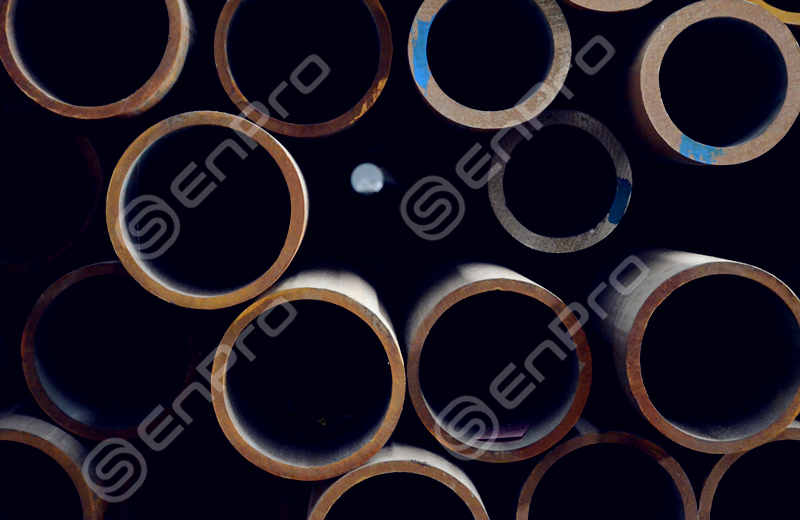
Enpro Pipe supplies ASTM A333 Grade 6 pipe in both seamless and welded forms, with sizes from NPS 1/8 to NPS 20. Wall thicknesses cover common schedules from SCH 10 through SCH 160 and XXS, depending on pipe size. Standard lengths include 5.8 m, 6 m, 11.8 m and 12 m, while fixed lengths can be arranged for fabrication or project-specific cutting plans. Plain, beveled and threaded ends are available to match the required connection or site fabrication method.
| Supply Item | Enpro Pipe Range |
|---|---|
| Standard | ASTM A333 / A333M |
| Main Grade | ASTM A333 Grade 6 |
| Manufacturing | Seamless or welded |
| Nominal Size | NPS 1/8 to NPS 20 |
| Wall Thickness | SCH 10, SCH 20, STD, SCH 40, SCH 80, SCH 160, XXS, subject to size |
| Listed Thickness Range | 1.24 mm to 25.4 mm |
| Length | 5.8 m, 6 m, 11.8 m, 12 m, or specified fixed length |
| Ends | Plain, beveled or threaded |
For Grade 6, OD and schedule are only part of the size check. ASTM notes that increasing wall thickness can adversely affect low-temperature impact properties, and some heavy-wall size combinations may therefore be unavailable under A333 qualification. For thicker pipe, the required wall thickness, heat-treatment condition and impact-test capability are checked together before the supply range is confirmed.
ASTM A333/A333M covers nominal-wall seamless and welded carbon and alloy steel pipe intended for low-temperature service and other applications requiring notch toughness. Pipe manufacturing does not use filler metal in the production weld, and finished material receives treatment appropriate for controlling its microstructure. The specification also contains requirements for tensile, impact, hydrostatic, and nondestructive electric testing.
| Specification Item | ASTM A333 Requirement |
|---|---|
| Current Edition | ASTM A333/A333M-24 |
| Product | Seamless and welded carbon/alloy steel pipe |
| Service Basis | Low-temperature service and required notch toughness |
| Grades | Grade 1, 3, 4, 6, 7, 8, 9, 10, 11 |
| Manufacturing | Seamless or welded without filler metal in the manufacturing weld |
| Microstructure | Material treated to control microstructure |
| Main Tests | Tensile, impact, hydrostatic and nondestructive electric testing |
| Pipe Dimensions | Common NPS and schedule dimensions referenced through ASME B36.10 |
For heavy-wall ASTM A333 Grade 6 pipe, wall thickness becomes part of the low-temperature qualification review. Before a large OD × WT combination is confirmed, the mill needs to verify that the actual pipe thickness can still meet the required Charpy impact test after the specified heat treatment. This is why some heavy-wall size combinations may have more limited availability even when the same OD can be produced in a thinner wall. ASTM itself notes that heavier wall thickness can adversely affect low-temperature impact properties.
ASTM A333 Grade 6 combines carbon-steel strength with specified low-temperature toughness. Its minimum tensile and yield strengths—415 MPa and 240 MPa—are similar to several familiar carbon-steel piping grades, but Grade 6 adds low-temperature impact qualification as an essential part of material acceptance.
At low metal temperatures, tensile strength alone does not indicate whether the pipe has sufficient resistance to brittle fracture. For ASTM A333 Grade 6, material acceptance therefore includes controlled chemistry, heat treatment, microstructure, and Charpy impact performance, so the finished pipe is evaluated for both strength and low-temperature toughness.
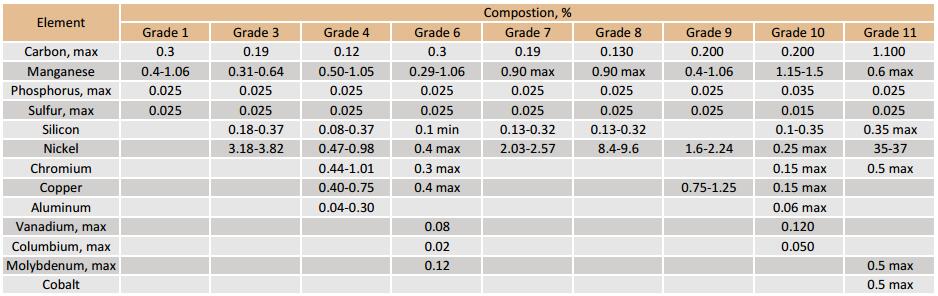
Controlled carbon and manganese levels help maintain the balance of strength, weldability, and low-temperature toughness required for ASTM A333 Grade 6. The chemical limits below define the composition range used to control these properties and support consistent performance after heat treatment and impact testing.
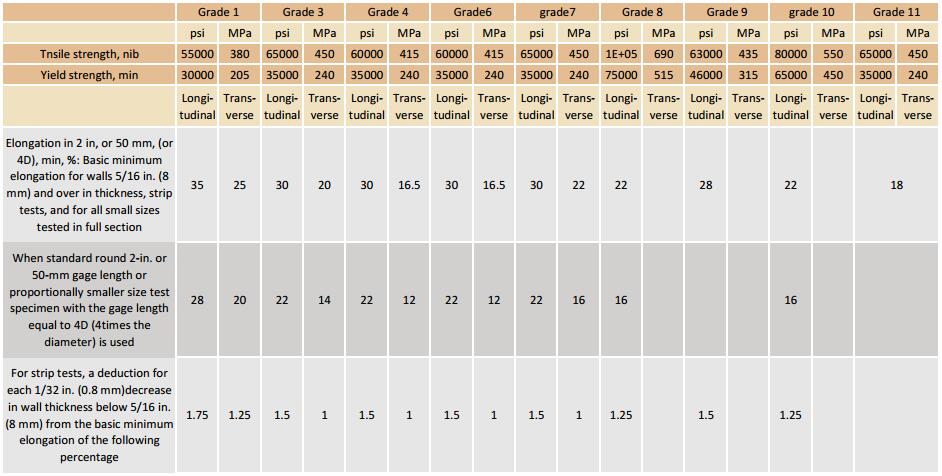
Elongation requirements depend on the test specimen used and the pipe wall thickness, so the applicable value should be checked against the ASTM A333 mechanical-property table for the ordered size.
For Grade 6 pipe, the tensile and yield values confirm the material strength level, while the required wall thickness and allowable pressure come from the actual piping design conditions, including design temperature, pressure, corrosion allowance, and the applicable piping code.
Charpy impact testing is one of the most important differences between ASTM A333 Grade 6 and ordinary carbon-steel pipe specifications. Grade 6 is associated with a standard impact-test temperature of −45°C (−50°F).
For a full-size 10 × 10 mm Charpy specimen, the Grade 6 impact requirements are:
| Charpy Requirement | Value |
|---|---|
| Test Temperature – Grade 6 | −45°C / −50°F |
| Minimum Average, 3 specimens | 18 J / 13 ft·lbf |
| Minimum Single Specimen | 14 J / 10 ft·lbf |
Smaller specimens use reduced impact-energy requirements; for example, the listed minimum average decreases to 14 J for a 10 × 7.5 mm specimen and 9 J for a 10 × 5 mm specimen.
The −45°C value describes the Grade 6 impact-test condition, rather than a universal operating-temperature rating for every finished piping system. Pipe thickness, welding, fittings, design code and actual minimum metal temperature remain part of the engineering assessment.
ASTM A333 pipe can follow either a seamless or welded manufacturing route. Seamless production begins with a solid billet that is pierced, rolled and sized into pipe. Welded material is formed from steel strip into a cylindrical section and welded without filler metal during pipe manufacture. ASTM requires the finished material to receive treatment that controls its microstructure because low-temperature toughness depends strongly on the resulting metallurgical condition.
The typical production sequence is:
Steel / billet → seamless piercing or forming and welding → heat treatment → sizing and straightening → cutting → end preparation → mechanical and impact testing → hydrostatic / NDE verification → marking and release
Heat-treatment condition is especially important for Grade 6 orders. It needs to remain traceable to the material certificate together with the heat number and impact-test records.
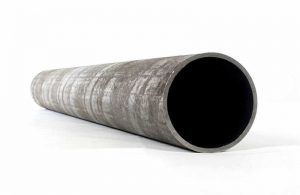
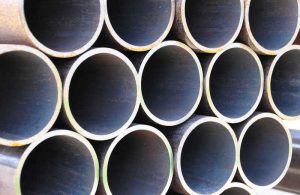
Low-temperature pipe acceptance depends heavily on the link between the physical pipe and its test records. The heat number on the pipe marking provides the traceability link to the corresponding material and test records, including chemical analysis, heat treatment, mechanical testing, Charpy impact testing, and final marking.
Key checks for ASTM A333 Grade 6 include:
For receiving inspection, the pipe marking, heat number, MTC, heat-treatment record and Charpy test record need to describe the same material lot. This traceability is particularly useful when several Grade 6 sizes or heats arrive in one shipment.
ASTM A333 Grade 6 pipe is used in carbon-steel piping where the minimum metal temperature requires verified notch toughness. The material is particularly relevant to process lines that can cool during refrigeration, pressure reduction, shutdown, start-up, or exposure to low ambient temperatures. ASTM A333/A333M specifically covers low-temperature service and applications requiring notch toughness.
For ASTM A333 Grade 6, the familiar −45°C (−50°F) value relates to its impact-test condition; the final piping material selection still follows the actual minimum design metal temperature, wall thickness, applicable piping code, and complete material class. ASTM also notes that heavier wall sections can affect impact performance.
At Enpro Pipe, we pay close attention to the details that often complicate low-temperature pipe orders, especially when one project includes multiple sizes, schedules, fixed lengths, and different end preparations. Grade 6 pipe can be coordinated in seamless or welded form, with plain, beveled, or threaded ends and project lengths prepared to match the fabrication plan, helping reduce unnecessary cutting and fit-up work after delivery.
We also organize marking, packing lists, material certificates, and test records so each shipment can be checked against the PO without sorting through disconnected documents. For overseas projects, size grouping, end protection, bundle identification, and shipping preparation are handled as part of the supply process. Our goal is simple: deliver the correct Grade 6 pipe in a form that is easier for the fabricator and site team to receive, identify, and use.
Q1: Can welded ASTM A333 Grade 6 pipe be used instead of seamless pipe?
A1: ASTM A333 permits both seamless and welded Grade 6 pipe, and manufacturing welds are made without filler metal. The final choice depends on the piping class, size, wall thickness, fabrication plan, and any project restriction on welded pipe.
Q2: What is the difference between ASTM A333 Grade 6 and ASME SA-333 Grade 6?
A2: ASTM A333 is the ASTM material specification, while the SA-333 designation identifies the ASME BPVC material specification adopted in Section II, Part A. For ASME-code projects, the PO and MTC should show the specification required by the project documentation.
Q3: Can ASTM A333 Grade 6 pipe be used in H₂S sour service?
A3: ASTM A333 Grade 6 does not automatically qualify a pipe for sour service. H₂S-containing oil and gas environments require separate material evaluation against ISO 15156-2, which addresses SSC, HIC, SOHIC and related cracking risks in carbon and low-alloy steels.
Q4: Does ASTM A333 Grade 6 pipe always require PWHT after welding?
A4: No universal PWHT requirement can be taken from the A333 material designation alone. PWHT for fabricated piping depends on the applicable construction code, material thickness, service conditions, joint design, and qualified welding procedure. ASTM A333 primarily controls the supplied pipe material and its low-temperature qualification.
Q5: Is an EN 10204 3.1 certificate automatically included with ASTM A333 Grade 6 pipe?
A5: ASTM A333 defines material, heat treatment, tensile, impact, hydrostatic and NDE requirements, but EN 10204 certificate type is a separate purchasing requirement. If a 3.1 certificate, third-party witness, or additional inspection record is required, it should be stated clearly in the PO.